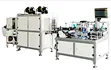
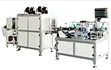
Spin-on Oil Filter Two Colors Printing Machine
JSMRTF-200D
Quantity:
Introduction
The two-color printing machine for oil filters is primarily used for printing patterns and logos on the surface of oil filter casings, with core applications focused on OEM customized logo printing and brand logo presentation:
The two-color printing machine for oil filters is primarily used for printing patterns and logos on the surface of oil filter casings, with core applications focused on OEM customized logo printing and brand logo presentation:
Industrial Production Adaptability: Specifically designed for printing brand logos, model parameters, production information, etc., on irregularly shaped oil filter casings (such as cylindrical and elliptical shells). It meets the standardized and branded requirements for product appearance identification in industries like automotive parts manufacturing and filter OEM, ensuring visual consistency for enterprises.
Multi-material Compatibility: Compatible with filter casings made of metal, plastic, and other materials. By adjusting printing parameters, it achieves stable and clear printing effects, helping enterprises unify product visual images.
Multi-material Compatibility: Compatible with filter casings made of metal, plastic, and other materials. By adjusting printing parameters, it achieves stable and clear printing effects, helping enterprises unify product visual images.
Color and Precision Requirements: With two-color printing capability, it presents richer logo designs (such as brand color matching, anti-counterfeiting logo combinations, etc.). The high printing precision ensures clear details of logos and text, enhancing product recognition and quality.
Working Principle (Taking Common Screen Printing + Pad Printing Combination as an Example)
The two-color printing machine for oil filters typically integrates the core logic of screen printing and pad printing, with a simplified process as follows:
1. Plate Making Process
First, the logo and patterns to be printed are made into screen printing plates (or pad printing steel plates). For screen plates, photosensitive plate-making technology is used to make the pattern area permeable to ink while closing the non-pattern area. For two-color printing, plates corresponding to each color must be made separately (e.g., black logo + red warning mark).
Working Principle (Taking Common Screen Printing + Pad Printing Combination as an Example)
The two-color printing machine for oil filters typically integrates the core logic of screen printing and pad printing, with a simplified process as follows:
1. Plate Making Process
First, the logo and patterns to be printed are made into screen printing plates (or pad printing steel plates). For screen plates, photosensitive plate-making technology is used to make the pattern area permeable to ink while closing the non-pattern area. For two-color printing, plates corresponding to each color must be made separately (e.g., black logo + red warning mark).
2. Ink Supply
The equipment is equipped with a two-color ink system, providing storage and delivery channels for two colors of ink. Ink is evenly applied to the pattern area of the plate (screen or steel plate) by pump pressure or a squeegee.
3. Transfer Process
Screen Printing Mode: After the plate is precisely aligned with the filter casing, the squeegee pushes the ink through the screen holes to transfer it to the casing surface, completing single-color printing. For two-color printing, the second color is overprinted by re-aligning and switching plates.
With Pad Printing Assistance: The pad printing rubber head first picks up ink from the plate (steel plate), then precisely stamps it onto the filter casing. The elasticity of the rubber head adapts to curved surfaces for pattern transfer. For two-color printing, the rubber head can switch between inks of different colors, or two-color overlay is completed through dual rubber heads and dual plates.
4. Curing and Material Collection
After printing, the ink is fixed by UV light curing, thermal curing, etc. (adapted to the ink type) to ensure firm adhesion. Finally, the finished product is output via an automatic material collection system for the next production process.
The equipment is equipped with a two-color ink system, providing storage and delivery channels for two colors of ink. Ink is evenly applied to the pattern area of the plate (screen or steel plate) by pump pressure or a squeegee.
3. Transfer Process
Screen Printing Mode: After the plate is precisely aligned with the filter casing, the squeegee pushes the ink through the screen holes to transfer it to the casing surface, completing single-color printing. For two-color printing, the second color is overprinted by re-aligning and switching plates.
With Pad Printing Assistance: The pad printing rubber head first picks up ink from the plate (steel plate), then precisely stamps it onto the filter casing. The elasticity of the rubber head adapts to curved surfaces for pattern transfer. For two-color printing, the rubber head can switch between inks of different colors, or two-color overlay is completed through dual rubber heads and dual plates.
4. Curing and Material Collection
After printing, the ink is fixed by UV light curing, thermal curing, etc. (adapted to the ink type) to ensure firm adhesion. Finally, the finished product is output via an automatic material collection system for the next production process.
In short, the principle is a cycle of "plate making → ink transfer → curing", using mechanical alignment and ink penetration/transfer technology to precisely replicate two-color patterns on the curved surface of filter casings, meeting industrial logo printing needs.
Technical Parameters:
| Production Efficiency | Up to 36 pieces per minute at maximum |
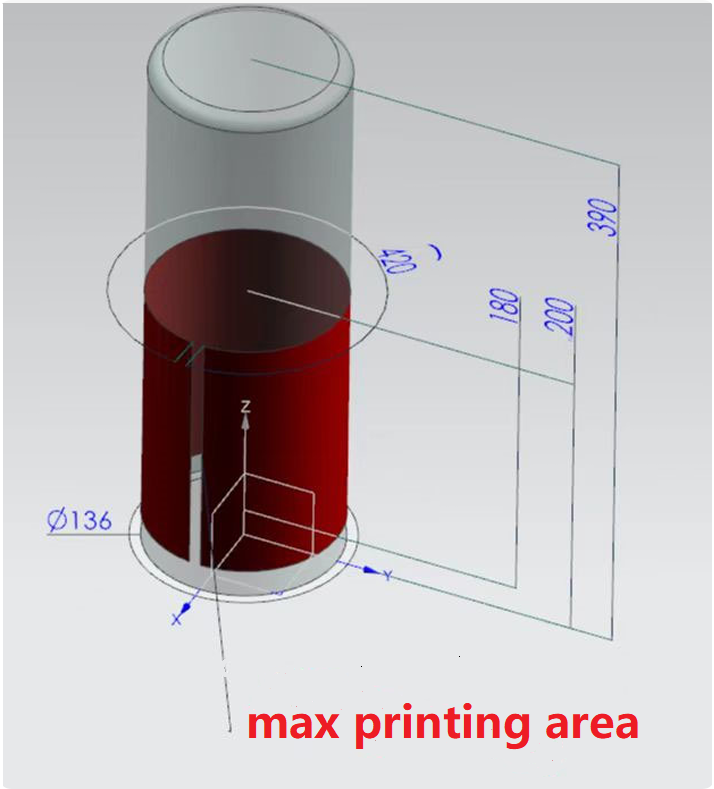
| Diameter Range of Filter Products | 60 - 136 mm |
| Height Range of Filter Products | 40 - 390 mm |
| Effective Printing Height Range | 40 - 200 mm |
| Printing Color | 2 colors |
| Air Pressure | 5 - 6 bar |
| Voltage | 220V / 380V X 50HZ / 3p |
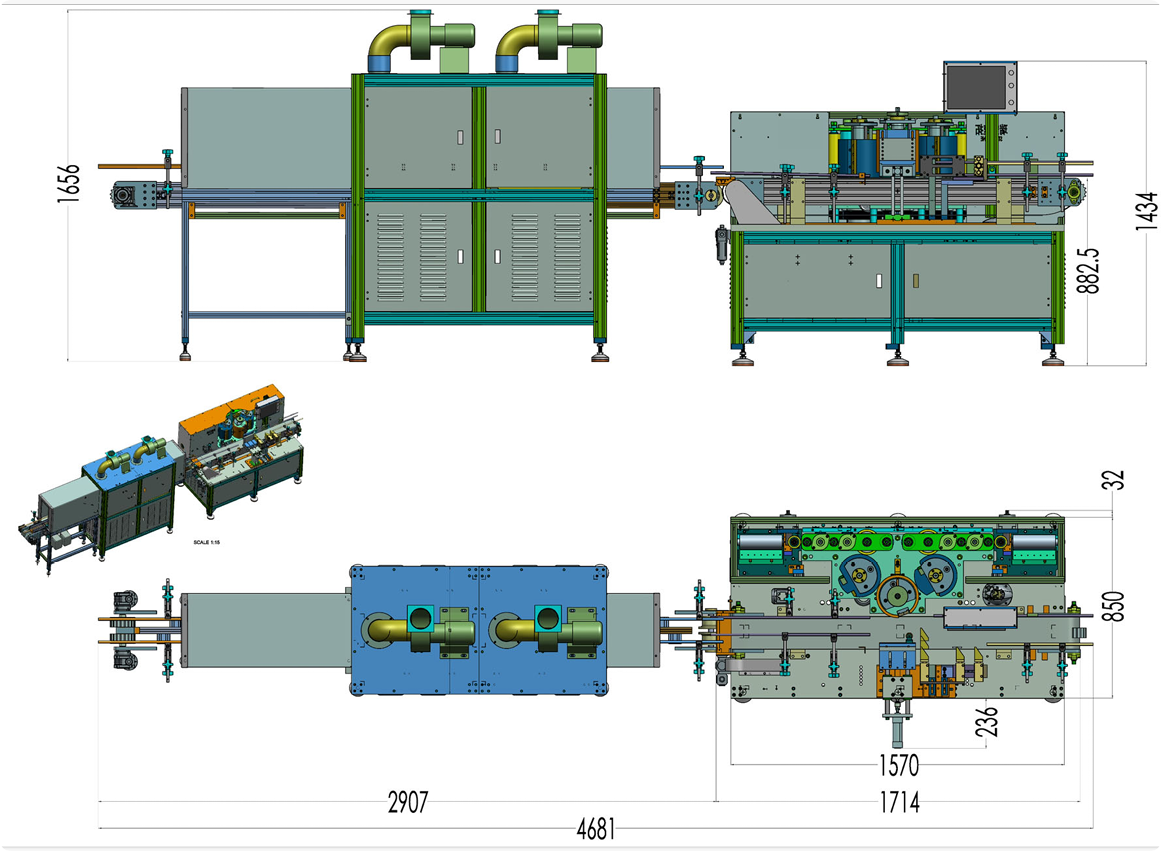
| Machine Dimensions | 4700X1100X1700mm |
| Machine Weight | 1600KG |