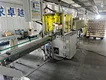


AB Two Components Filter Gluing Machine
ZFAB-II
Quantity:
Introdcution:
Hydraulic Filter Wire Mesh Bonding Machine
A hydraulic filter wire mesh bonding machine is a specialized equipment designed to bond and fix filter wire meshes with supporting structures (such as filter cartridges, end caps, etc.) in hydraulic systems. Its core function is to ensure a firm connection between filter materials and metal frames through precise control of the bonding process. This machine is widely used in the production of hydraulic filters, lubricating oil filters, industrial filters, and other related fields.
Main Structure and Working Principle
Core Components
Provides structural support and an operational platform, typically welded with high-strength steel to ensure stability.
Hydraulic SystemIncludes hydraulic cylinders, pumps, and control valves, used to apply pressure (e.g., extrusion, pressing) during bonding. The pressure can be adjusted via the control system.
Feature: Stable pressure output, suitable for bonding scenarios requiring uniform force.
Heating System (Optional)Some models are equipped with heating platforms or molds to melt hot-melt adhesives or accelerate the curing of adhesives (e.g., thermosetting glues).
Positioning and Clamping DevicesFixes the positions of the filter wire mesh and supporting components to ensure bonding accuracy (e.g., aligning the mesh edges with the metal frame).
Glue Application MechanismManual or automatic glue dispensers (e.g., glue guns, dispensing pumps) for evenly applying adhesives (e.g., epoxy resin, polyurethane glue) to bonding areas.
A hydraulic filter wire mesh bonding machine is a specialized equipment designed to bond and fix filter wire meshes with supporting structures (such as filter cartridges, end caps, etc.) in hydraulic systems. Its core function is to ensure a firm connection between filter materials and metal frames through precise control of the bonding process. This machine is widely used in the production of hydraulic filters, lubricating oil filters, industrial filters, and other related fields.
Main Structure and Working Principle
Core Components
Provides structural support and an operational platform, typically welded with high-strength steel to ensure stability.
Hydraulic SystemIncludes hydraulic cylinders, pumps, and control valves, used to apply pressure (e.g., extrusion, pressing) during bonding. The pressure can be adjusted via the control system.
Feature: Stable pressure output, suitable for bonding scenarios requiring uniform force.
Heating System (Optional)Some models are equipped with heating platforms or molds to melt hot-melt adhesives or accelerate the curing of adhesives (e.g., thermosetting glues).
Positioning and Clamping DevicesFixes the positions of the filter wire mesh and supporting components to ensure bonding accuracy (e.g., aligning the mesh edges with the metal frame).
Glue Application MechanismManual or automatic glue dispensers (e.g., glue guns, dispensing pumps) for evenly applying adhesives (e.g., epoxy resin, polyurethane glue) to bonding areas.
Control SystemIntegrated with PLC or touchscreen, allowing setting of parameters such as pressure, holding time, and heating temperature for automated or semi-automated operation.
Working Principle
Preprocessing: Clean the surfaces of the filter wire mesh and supporting components to ensure no oil, dust, or contaminants. Surface roughening may be performed to enhance adhesion.
Glue Application: Uniformly apply adhesive to the mesh edges or bonding areas of the supporting components using the glue dispenser.
Positioning and Pressing: Place the mesh and supporting components into the machine’s fixtures for positioning. Activate the hydraulic system, where the cylinder applies pressure to tightly bond the two parts.
Curing: Maintain pressure until the adhesive cures (room-temperature curing or heating curing, depending on the adhesive type).
Demolding and Inspection: Release the fixtures, remove the finished product, and check bonding strength and sealing performance.
Working Principle
Preprocessing: Clean the surfaces of the filter wire mesh and supporting components to ensure no oil, dust, or contaminants. Surface roughening may be performed to enhance adhesion.
Glue Application: Uniformly apply adhesive to the mesh edges or bonding areas of the supporting components using the glue dispenser.
Positioning and Pressing: Place the mesh and supporting components into the machine’s fixtures for positioning. Activate the hydraulic system, where the cylinder applies pressure to tightly bond the two parts.
Curing: Maintain pressure until the adhesive cures (room-temperature curing or heating curing, depending on the adhesive type).
Demolding and Inspection: Release the fixtures, remove the finished product, and check bonding strength and sealing performance.
Parameter | Description |
Maximum Working Pressure | Typically, 5–20 MPa, adjustable based on mesh material and bonding area. Inadequate pressure may cause weak bonding. |
Pressure Holding Time | 2-3 minutes, depending on adhesive curing speed. Some fast-curing adhesives may reduce this to minutes. |
Heating Temperature | If equipped with heating, the temperature range is generally 50–200°C, suitable for hot-melt adhesives or preheating scenarios. |
Applicable Mesh Size | Determined by the worktable size |
Control Precision | Pressure fluctuation ≤±0.5 MPa; temperature control accuracy ≤±2°C, ensuring process consistency. |
Hydraulic Filter Production: Bonds mesh with end caps and skeletons in filter cartridges to ensure filtration performance and pressure resistance.
Industrial Filter Manufacturing: Used in air filters, fuel filters, and other filter mesh fixing processes.
Specialized Filtration Equipment: Applies to high-precision filter material bonding in marine, construction machinery, and aerospace industries.
2. Core Advantages
High Bonding Strength: Uniform pressure from the hydraulic system avoids local stress deficiencies in manual bonding.
Improved Efficiency: Automated operation reduces process time, suitable for mass production.
Controllable Precision: Positioning devices and parameterized control ensure product consistency and reduce rejection rates.
Wide Adaptability: Compatible with various adhesives (e.g., epoxy, silicone) and mesh materials (stainless steel, copper, nylon, etc.).
Maintenance and Precautions
1. Daily Maintenance
Regularly clean the glue application mechanism to prevent blockages from cured adhesive.
Inspect the hydraulic oil condition and replace it promptly (recommended every 1–2 years).
Calibrate pressure sensors and temperature controllers to ensure parameter accuracy.
2. Safety Operations
Avoid contact with the pressing area during high-pressure operations to prevent mechanical injury.
When using heating functions, prevent burns and ensure good ventilation.
Store adhesives in cool, fire-free areas. Operators must wear protective gloves and masks.
Selection Tips
Model Selection Based on Production NeedsSmall Batch Production: Choose manual or semi-automatic models for lower costs.
Mass Production: Prioritize fully automatic models (e.g., with automatic glue application and assembly line integration).
Process CompatibilityEnsure the machine’s pressure and temperature meet the curing requirements of the adhesive used.
Check if fixtures are compatible with existing mesh sizes or support customized modifications.
Brand and After-Sales ServicePrefer well-known industry brands (e.g., domestic Liming Hydraulics, foreign Pall’s supporting equipment suppliers) to ensure equipment stability and after-sales support.
Development Trends
With the advancement of industrial automation and environmental requirements, hydraulic filter wire mesh bonding machines are evolving toward:
Regularly clean the glue application mechanism to prevent blockages from cured adhesive.
Inspect the hydraulic oil condition and replace it promptly (recommended every 1–2 years).
Calibrate pressure sensors and temperature controllers to ensure parameter accuracy.
2. Safety Operations
Avoid contact with the pressing area during high-pressure operations to prevent mechanical injury.
When using heating functions, prevent burns and ensure good ventilation.
Store adhesives in cool, fire-free areas. Operators must wear protective gloves and masks.
Selection Tips
Model Selection Based on Production NeedsSmall Batch Production: Choose manual or semi-automatic models for lower costs.
Mass Production: Prioritize fully automatic models (e.g., with automatic glue application and assembly line integration).
Process CompatibilityEnsure the machine’s pressure and temperature meet the curing requirements of the adhesive used.
Check if fixtures are compatible with existing mesh sizes or support customized modifications.
Brand and After-Sales ServicePrefer well-known industry brands (e.g., domestic Liming Hydraulics, foreign Pall’s supporting equipment suppliers) to ensure equipment stability and after-sales support.
Development Trends
With the advancement of industrial automation and environmental requirements, hydraulic filter wire mesh bonding machines are evolving toward:
Intelligentization: Integration of sensors and IoT technology for real-time monitoring and remote debugging of process parameters.
Green Technology: Adaptation to water-based adhesives or degradable materials to reduce VOC emissions.
High Precision: Adoption of servo hydraulic systems to improve pressure control precision to ±0.1 MPa, meeting the needs of high-precision fields like aerospace.
Green Technology: Adaptation to water-based adhesives or degradable materials to reduce VOC emissions.
High Precision: Adoption of servo hydraulic systems to improve pressure control precision to ±0.1 MPa, meeting the needs of high-precision fields like aerospace.
For further details on specific models or technical specifications, please provide your production scenarios or process requirements for a more tailored solution.