Metal Mesh Expanded Machine
Metal Mesh Expanded Machine
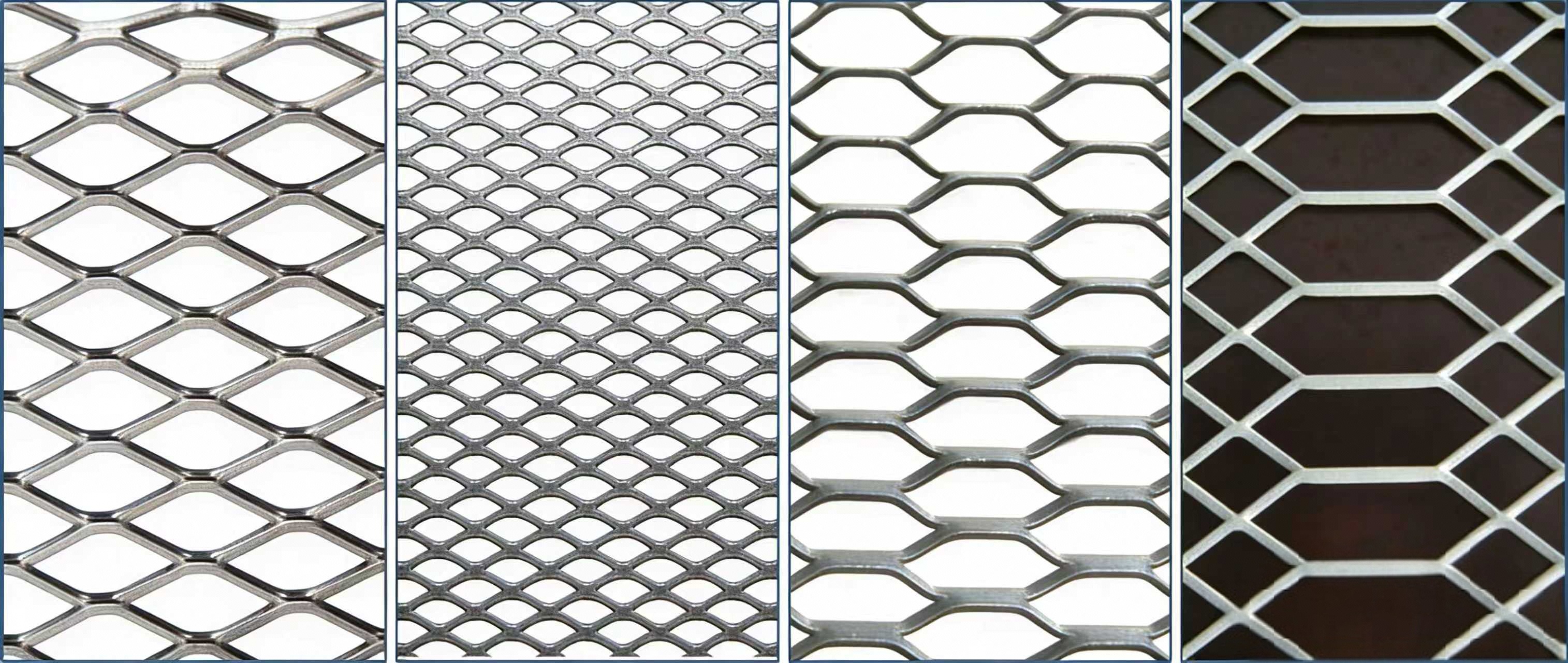
A Metal Mesh Expanded Machine, also known as an expanded metal mesh machine or steel mesh punching and stretching machine, is a specialized equipment used to process metal sheets into regular mesh structures with uniform apertures. Its core principle involves stamping and stretching metal sheets to form diamond-shaped, hexagonal, or other patterned meshes while maintaining the material’s continuity. Below is a detailed introduction to this equipment:
1. Functions and Application Fields
Primary Functions
Processes metal sheets (e.g., steel, aluminum, stainless steel, copper) into expanded metal mesh, with adjustable aperture shapes, sizes, and strength via molds and process parameters.
The metal sheet is not cut during processing but stretched to thin the material and expand the apertures, creating a strong and breathable mesh structure.
Applications
Construction & Decoration: Used for safety nets, curtain wall decorative meshes, stair treads, and scaffolding plates.
Industry & Machinery: Manufactures filters, soundproof panels, protective covers, ventilation meshes, and heavy equipment guards.
Transportation: Produces anti-slip pedals, luggage rack meshes, and compartment partitions for vehicles, trains, and ships.
Agriculture & Livestock: Used for breeding fences, grain storage ventilation nets, and greenhouse protections.
Other Fields: Billboard frames, mine support meshes, and garden fences.
2. Working Principle and Structure
Working Principle
Stamping Stage: The metal sheet is fed into the machine via a feeding device. A punch (male die) stamps the sheet to create initial cuts and pre-shaped blanks.
Stretching Stage: The stamped blank is clamped and pulled by a transmission mechanism (e.g., gears, chains, or hydraulic systems), stretching the sheet to expand the cuts into regular apertures.
Forming Stage: The stretched mesh is flattened by a leveling device, and the final product is coiled or cut.
Key Components
Frame: Constructed from high-strength steel (welded or cast) to ensure stability.
Mold System:Stamping Molds: Determine aperture shapes (e.g., diamond, hexagonal) and sizes, typically made of carbide or high-hardness tool steel.
Stretching Molds: Collaborate with stamping molds for stretching; some machines use adjustable molds for different specifications.
Transmission System:Mechanical Transmission: Uses motors, reducers, and gears/chains, suitable for small-to-medium machines.
Hydraulic Transmission: Employs hydraulic cylinders for stretching, ideal for thick sheets or large apertures, offering stable pressure and low noise.
Feeding & Positioning Devices: Auto or manual feeding systems (e.g., roller feeding, pneumatic clamping) ensure precise sheet alignment.
Control System: Some machines use PLC (Programmable Logic Controllers) or touchscreens to adjust parameters like stamping frequency, stretching speed, and aperture spacing.
Pleated Air Filters Manufacturers
what is a filter pleater
