
What are the common materials used in jet air filtration filters?
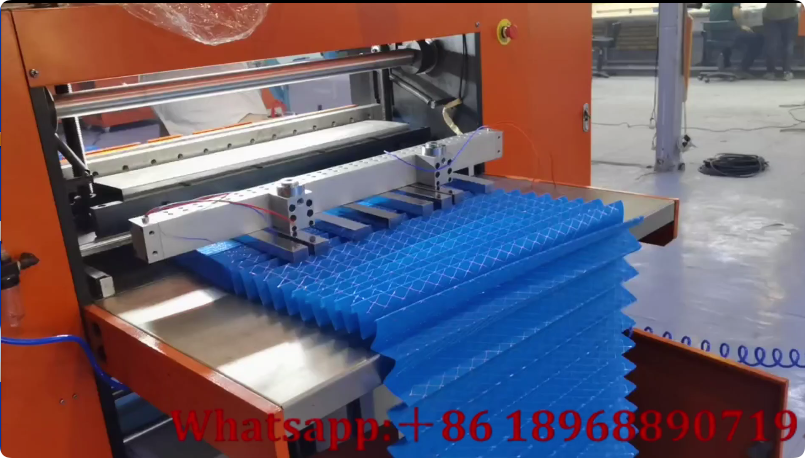
What are the common materials used in jet air filtration filters?
In aviation and industrial gas turbine systems, jet air filtration filter typically refers to air management systems in jet engines or related applications. While jet engines themselves rarely use traditional filters (prioritizing particle separation and durable component design), industrial gas turbines and aircraft cabin filtration systems employ specialized materials. Below are the common materials used in these contexts, categorized by application:
1. Industrial Gas Turbine Air Filtration Materials
Industrial gas turbines (e.g., for power generation) require robust air filtration to protect components from dust, pollutants, and corrosive gases. Common materials include:
a. Filter Media for Particle Filtration
Synthetic Fibers (Polyester, Polypropylene): Used in primary/secondary filters to capture large particles (1–50 microns).
Properties: High durability, resistance to moisture and chemicals, and low cost.
Example: Pleated polyester media in bag filters or panel filters.
Glass Fibers: Used in high-efficiency filters (HEPA/ULPA) for capturing fine particles (≤0.3 microns).
Properties: Extremely fine, flexible fibers create a dense matrix for high particle retention.
Example: HEPA filters in gas turbines operating in cleanroom-like environments.
Metal Meshes (Stainless Steel, Aluminum): Used in coarse pre-filters to trap large debris (e.g., leaves, insects).
Properties: Reusable, corrosion-resistant, and suitable for high-temperature environments.
b. Adsorbent Materials for Gaseous Contaminants
Activated Carbon: Captures volatile organic compounds (VOCs), odors, and gaseous pollutants (e.g., sulfur dioxide, nitrogen oxides).
Properties: High surface area for adsorption; often impregnated with chemicals (e.g., potassium permanganate) for enhanced efficiency.
Zeolites: Porous minerals used for molecular sieving, trapping specific gases (e.g., water vapor, carbon dioxide) in high-humidity or industrial settings.
Ceramic-Based Catalysts: Used in catalytic filters to break down harmful gases (e.g., ozone, formaldehyde) through chemical reactions.
c. Structural and Support Materials
Metal Frames (Aluminum, Steel): Provide rigidity for filter cartridges and withstand high airflow pressures.
Polyurethane or Epoxy Seals: Ensure airtight connections between filter elements and housings, preventing bypass.
2. Aircraft Cabin Air Filtration Materials (HEPA Filters)
Aircraft cabins use HEPA (High-Efficiency Particulate Air) filters to purify recirculated air. Key materials include:
Borosilicate Glass Microfibers: The core of HEPA filters, arranged in a dense, random matrix to trap particles via interception, impaction, and diffusion.
Captures 99.97% of particles ≥0.3 microns (e.g., viruses, bacteria, pollen).
Aluminum Foil or Paper Separators: Space the pleated glass fibers to maintain airflow while maximizing filter surface area.
Stainless Steel or Composite Housings: Encase the filter media and withstand pressure changes in flight.
what is a filter pleater
what does air filter do in a car
